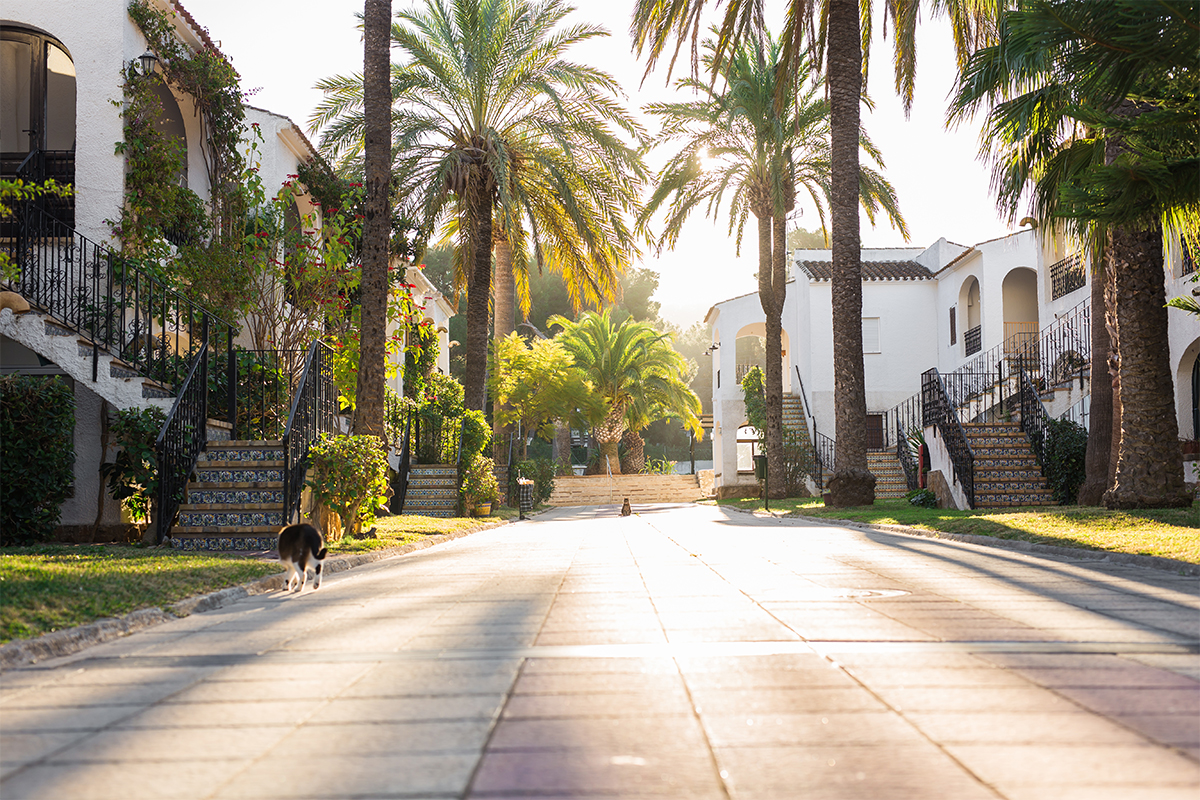

You’ve probably seen it happen before.
Two properties in the same neighborhood, with similar features and comparable pricing, are listed for sale at the same time. One receives multiple inquiries within days and sells quickly, while the other sits on the market for months with little interest.
So, what’s the difference?
Many property owners assume that selling real estate is simply a matter of listing a property and waiting for a buyer. In reality, successful property sales involve strategy, presentation, pricing, and marketing.
If your property isn’t attracting buyers, the issue may not be the market—it may be the way the property is being positioned.
Let’s explore the key reasons why some properties sell faster than others and what property owners can do to improve their chances of closing a sale.
First Impressions Matter More Than You Think
Before a buyer visits your property, they have already formed an opinion.
Today’s buyers often begin their search online, browsing property listings, social media platforms, and real estate websites.
In many cases, the first thing they see is your property’s photos.
According to the National Association of Realtors, most home buyers use the internet during their property search process, making visual presentation a critical factor in attracting interest. National Association of Realtors Research Reports
If your listing fails to create a strong first impression, many potential buyers will move on without making an inquiry.
Poor Property Photography Can Cost You Buyers
Imagine trying to sell a luxury car using blurry photographs taken at night.
That is exactly what many property owners do when marketing their homes.
Common photography mistakes include:
- Poor lighting
- Cluttered rooms
- Low-resolution images
- Unattractive angles
- Unfinished spaces
Professional photography can make a property appear more spacious, inviting, and valuable.
Buyers often decide whether a property is worth viewing based solely on the images they see online.
If the photos don’t inspire confidence, inquiries may never come.

Pricing Can Make or Break a Sale
One of the biggest reasons properties remain unsold is unrealistic pricing.
Many sellers make the mistake of pricing based on:
- Emotional attachment
- Amount spent on construction
- Expected profit
- Neighboring asking prices
Unfortunately, buyers focus on market value—not emotional value.
Overpricing Problems
When a property is priced significantly above market expectations:
- Fewer buyers make inquiries
- The listing remains active longer
- Buyers assume something is wrong
- Price reductions may eventually become necessary
Ironically, an overpriced property often sells for less in the long run because it loses momentum in the market.
Underpricing Problems
While a lower price can attract attention, pricing too low may raise concerns about the property’s condition or ownership documentation.
The goal is to find the right balance.
A professional valuation or comparative market analysis can help determine a competitive price.
Buyers Don’t Just Buy Properties—They Buy Locations
Even the most beautiful house can struggle to sell if the location does not meet buyer expectations.
Many buyers consider factors such as:
- Accessibility
- Security
- Road conditions
- Schools
- Healthcare facilities
- Shopping centers
- Future development potential
In growing cities like Lagos, Abuja, and Port Harcourt, proximity to infrastructure often influences purchasing decisions.
Properties located near major roads, business districts, airports, and development projects typically attract more attention.
The Property May Be Marketed to the Wrong Audience
Not every buyer is looking for the same thing.
For example:
A luxury duplex should not be marketed the same way as an affordable starter home.
Likewise:
- Investors seek return on investment.
- Families prioritize comfort and safety.
- Young professionals value convenience.
- Retirees may prioritize peace and accessibility.
When marketing messages fail to target the right audience, even good properties can struggle to generate interest.
Successful sales often begin with understanding who the ideal buyer is.
Lack of Proper Marketing Exposure
Many property owners rely solely on a “For Sale” sign or a single online listing.
In today’s market, that is rarely enough.
Properties that sell quickly are often promoted through multiple channels, including:
- Real estate websites
- Social media campaigns
- WhatsApp marketing
- Email marketing
- Realtor networks
- Video tours
- Referral programs
The more qualified buyers who see your property, the higher your chances of receiving serious offers.
Marketing is not an expense—it is an investment in visibility.
Buyers Need More Than Features
Many property listings focus only on features:
- 4 Bedrooms
- 5 Bathrooms
- Parking Space
- Security Gate
While features are important, buyers are often more interested in benefits.
For example:
Instead of saying:
“4-bedroom duplex with large compound.”
Say:
“Spacious family home with enough outdoor space for children’s activities and future expansion.”
Benefits help buyers imagine themselves living in the property.
And when buyers can visualize ownership, they are more likely to take action.
Property Condition Affects Buyer Confidence
Buyers notice everything.
Cracked walls, leaking pipes, broken fixtures, poor landscaping, and unfinished repairs can discourage potential buyers.
Even small maintenance issues can create the impression that larger hidden problems exist.
Before listing a property:
Conduct Basic Repairs
Fix obvious defects that may affect buyer perception.
Improve Curb Appeal
The exterior is often the first thing buyers see.
Simple improvements such as:
- Fresh paint
- Landscaping
- Cleaning
- Exterior lighting
can significantly improve attractiveness.
Documentation Problems Delay Sales
Many property transactions fail because of documentation issues.
Buyers are increasingly cautious and often conduct extensive due diligence before making payment.
Properties with incomplete or questionable documentation may experience:
- Delayed negotiations
- Reduced buyer confidence
- Lower offers
- Failed transactions
Common documents buyers may request include:
- Certificate of Occupancy (C of O)
- Governor’s Consent
- Registered Survey
- Deed of Assignment
- Building Approvals
The easier it is to verify ownership, the easier it becomes to close a sale.
Trust Matters More Than Ever
Real estate transactions involve significant financial commitments.
As a result, buyers prefer dealing with trusted professionals and reputable property owners.
Properties marketed by credible realtors often attract more attention because buyers feel more secure throughout the transaction process.
Trust can be built through:
- Transparent communication
- Professional branding
- Accurate information
- Clear documentation
- Positive client reviews
People buy confidence before they buy property.
How to Make Your Property Sell Faster
If your property has been on the market for an extended period, consider the following:
✔ Review your pricing strategy
✔ Improve photography and presentation
✔ Fix visible maintenance issues
✔ Strengthen marketing efforts
✔ Ensure documentation is complete
✔ Work with experienced realtors
✔ Highlight benefits, not just features
✔ Target the right buyer audience
Small improvements can often lead to significant results.
Final Thoughts
When a property remains unsold for months, the problem is not always the market.
In many cases, it comes down to pricing, presentation, marketing, documentation, or positioning.
Properties that sell quickly are rarely successful by accident. They are supported by thoughtful planning, effective promotion, and a clear understanding of buyer expectations.
If you’re preparing to sell a property, remember:
The goal is not simply to list your property. The goal is to make buyers see it, trust it, and want it.
When those three things happen, sales become much easier.